
On this page
Ear Procedures
Overview
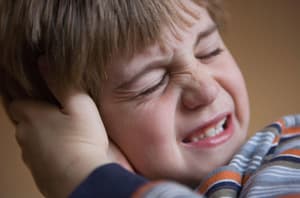
The ear does two jobs: it lets you hear, and the inner ear helps you keep your balance. A problem anywhere along the way — the outer ear canal, the eardrum and middle ear, or the inner ear and hearing nerve — can cause pain, discharge, muffled hearing, ringing (tinnitus) or dizziness.
At NEO ENT Clinic, Dr. Savyasachi Saxena examines the ear carefully, arranges the right hearing and balance tests, and explains every option, from ear drops and medicines to microscopic or endoscopic ear surgery. Many ear problems settle without an operation; surgery is advised only when it is likely to help more than it risks.
For people with severe or profound hearing loss who no longer get enough benefit from hearing aids, Dr. Saxena — a life member of the Cochlear Implant Group of India — can assess whether a cochlear implant is worth considering and guide families through the evaluation.

Your specialist
Dr. Savyasachi Saxena, MBBS, MS (ENT)
ENT & Head-Neck Surgeon · HOD, Fortis Hospital, Noida
What we treat
Conditions treated
Ear infections (otitis media and otitis externa)
Middle-ear infections are common in children after a cold. Outer-ear infections (swimmer's ear) often follow water exposure or cleaning the ear with buds, and fungal ear infections are more common in hot, humid weather.
Eardrum perforation and chronic ear discharge
A hole in the eardrum from repeated infection or injury can cause recurring discharge and reduced hearing. Some perforations heal on their own; persistent ones can be repaired surgically.
Cholesteatoma
An abnormal growth of skin in the middle ear that slowly erodes nearby bone. It usually needs surgery to remove it and prevent complications.
Otosclerosis
Stiffening of the tiny stapes bone that causes gradually worsening hearing, often starting in young adulthood. Hearing aids or stapes surgery can help.
Hearing loss, including sudden hearing loss
Wax, fluid or eardrum problems block sound (conductive loss), while age, noise, infections or genetics can affect the inner ear and nerve (sensorineural loss). Sudden sensorineural hearing loss is an emergency.
Tinnitus, vertigo and Ménière's disease
Ringing in the ears and spinning dizziness often come from the inner ear. BPPV, vestibular neuritis and Ménière's disease are common causes.
Glue ear in children
Fluid trapped behind the eardrum muffles hearing and can hold back speech. If it persists for months, grommets may be advised.
Preauricular sinus and ear canal problems
A small pit in front of the ear that keeps getting infected, a narrowed ear canal, or a benign growth in the canal.
Signs & symptoms
Symptoms to watch for
Any of these, especially if they last or keep coming back, are worth discussing with an ENT specialist.
- Ear pain, itching or a feeling of fullness
- Discharge or bleeding from the ear
- Reduced or muffled hearing in one or both ears
- Sudden hearing loss, especially in one ear
- Ringing, buzzing or hissing sounds (tinnitus)
- Spinning dizziness or imbalance, sometimes with nausea
- A child who doesn't respond to sounds, turns up the TV or is slow to start talking
- A swollen or draining pit in front of the ear
Diagnosis
How it's diagnosed
Tests are chosen for your symptoms — not everyone needs all of them.
- 1
Ear examination with otoscope, microscope or endoscope
Gives a clear view of the ear canal and eardrum, and allows wax or discharge to be cleaned during the visit when needed.
- 2
Tuning fork tests
Quick in-room tests that help tell conductive hearing loss from sensorineural hearing loss.
- 3
Pure tone audiometry
Measures how well each ear hears different pitches. It is the starting point for planning treatment and for comparing results after it.
- 4
Tympanometry
Checks how the eardrum moves and whether there is fluid or negative pressure behind it — especially useful in children with glue ear.
- 5
OAE and BERA for babies and young children
Objective hearing tests that don't need the child to respond, used for newborn hearing screening and for children too young for audiometry.
- 6
HRCT or MRI scan
Advised for chronic ear disease and cholesteatoma, before certain operations, or to rule out a nerve cause of one-sided hearing loss or tinnitus.
- 7
Positional balance tests
Tests such as the Dix–Hallpike manoeuvre help confirm BPPV as the cause of vertigo.
Treatment
Treatment options
Treatment is tailored to the cause and severity of your problem. Where they are appropriate, non-surgical options are considered first.
- Non-surgical
Medical treatment and ear care
Ear drops, medicines, careful microscopic cleaning of wax or debris, and advice on keeping the ear dry. Many infections and wax problems need nothing more.
- Surgical
Myringoplasty and tympanoplasty
Repair of a perforated eardrum with a graft of the patient's own tissue. The aims are a closed eardrum and a dry ear, with better hearing where the perforation was the main cause of hearing loss.
- Surgical
Mastoidectomy and ossiculoplasty
Removal of disease such as cholesteatoma from the mastoid bone behind the ear, with reconstruction of the hearing bones when appropriate.
- Surgical
Stapedectomy
For otosclerosis: the fixed stapes bone is bypassed with a tiny prosthesis so that sound can once again reach the inner ear.
- Surgical
Myringotomy with grommet insertion
A tiny opening in the eardrum drains trapped fluid, and a small ventilation tube keeps the middle ear aerated. Grommets usually fall out on their own after some months.
- Minimally invasive
Intratympanic injection therapy
Medicine placed through the eardrum into the middle ear under local anaesthesia, used in selected cases of sudden hearing loss, Ménière's disease and tinnitus.
- Non-surgical
Repositioning manoeuvres for BPPV
Gentle head-position manoeuvres, such as the Epley manoeuvre, that move displaced inner-ear crystals to where they no longer trigger vertigo.
- Non-surgical
Cochlear implant evaluation
For severe to profound sensorineural hearing loss: detailed hearing tests, imaging and counselling to find out whether a cochlear implant is suitable, and what surgery and rehabilitation involve.
All procedures offered
- Myringoplasty & Tympanoplasty
- Mastoidectomy & Ossiculoplasty
- Stapedectomy
- Facial Nerve Decompression
- Preauricular Sinus Excision
- Canalplasty & Tumour Excision
- Ear Piercing
- Myringotomy with Grommet Insertion
- Tympanic Neurectomy
- Intratympanic Injection Therapy for Hearing Loss, Dizziness & Tinnitus
- Cochlear Implant Evaluation & Counselling
After treatment
Recovery & aftercare
- 1
Many ear operations need only a short hospital stay. You will be told in advance what applies to your procedure.
- 2
Keep water out of the operated ear until your doctor confirms it has healed.
- 3
For the first few weeks, avoid forceful nose-blowing and sneeze with your mouth open, so pressure doesn't disturb the graft.
- 4
Hearing often feels blocked at first because of dressing in the ear canal. The final hearing result is judged after the ear has healed, which can take a few months.
- 5
Avoid swimming, flying and heavy exertion until you are cleared at follow-up.
Safety
Possible risks
- Pain, infection or discharge after surgery
- The eardrum graft not taking, occasionally needing a second procedure
- A temporary change in taste on one side of the tongue
- Short-lived dizziness or ringing after surgery
- Uncommon but serious: further hearing loss in the operated ear, or facial nerve weakness
Every procedure carries some risk. Dr. Saxena explains the risks that apply to you, and the alternatives, before you decide on any treatment.
Getting help
When to see an ENT specialist
Book a consultation if
- Ear pain or discharge lasting more than two or three days, or that keeps coming back
- Hearing that stays reduced or muffled for more than a week
- Ringing in one ear only, or ringing with hearing loss
- Repeated episodes of spinning vertigo
- Your child has frequent ear infections, blocked hearing or delayed speech
Get urgent care if
- Sudden hearing loss in one ear — see an ENT as soon as possible, ideally within a day or two
- Facial weakness together with ear pain or discharge
- Severe headache, high fever, stiff neck or confusion with an ear infection
- Painful swelling behind the ear that pushes the ear forward
- Vertigo with weakness, slurred speech, double vision or trouble walking — go to an emergency department
In an emergency, call 112 or go to the nearest hospital emergency department.
FAQs
Frequently asked questions
Is ear surgery painful?
Ear operations are done under general or local anaesthesia, so you don't feel pain during the surgery. Afterwards most people have mild to moderate discomfort for a few days, which is usually controlled with the pain relief prescribed.
Will my hearing improve after tympanoplasty?
The main aims of tympanoplasty are a closed eardrum and a dry, infection-free ear. Hearing often improves when the perforation was the main cause of hearing loss, but the result also depends on the hearing bones and the inner ear. Dr. Saxena explains what to expect based on your hearing test before surgery.
Should I clean my ears with cotton buds?
No. The ear canal cleans itself, and buds tend to push wax deeper, scratch the canal and occasionally injure the eardrum. If wax is blocking your hearing, have it removed at the clinic.
Who is a candidate for a cochlear implant?
Cochlear implants are considered for children and adults with severe to profound sensorineural hearing loss who don't understand speech well enough even with well-fitted hearing aids. Suitability is decided after hearing tests, imaging and counselling. For children born with profound deafness, earlier implantation generally gives better speech and language development.
Can tinnitus be cured?
Tinnitus has many causes. When a treatable cause is found — such as wax, an ear infection or certain types of hearing loss — treating it can reduce the noise. For long-standing tinnitus, the focus is on managing it with hearing support, sound therapy and attention to sleep and stress, which help many people notice it much less.
How long do grommets stay in?
Grommets usually stay in for several months and then fall out on their own as the eardrum grows. The small hole normally heals afterwards, and your child's ears are checked at follow-up visits.
Further reading
This page gives general information for patients and is not a substitute for a medical consultation. Diagnosis and treatment depend on an individual examination.